We use cookies to ensure that we give you the best experience on our website.
www.nspharmacy.ca, the official website of the Nova Scotia Pharmacy Regulator (NSPR), provides information about the pharmacy regulator, pharmacist and pharmacy technician registration, pharmacy licensure, and pharmacy practice in our province.
The information on this site is intended as a resource to pharmacy professionals and future pharmacy professionals, and to the public.
Public interpretation of health information on this site should not be substituted for the advice of a healthcare professional. For specific health matters, visitors to this site are encouraged to consult their pharmacist or other appropriate healthcare provider.
Occasionally, alternate websites are referenced on this site. This does not imply an endorsement by NSPR. The Nova Scotia Pharmacy Regulator does not endorse specific organizations, products, or therapies.
Nova Scotia Pharmacy Regulator is located in Mi’kma’ki, the ancestral and unceded territory of the Mi’kmaq People, and we acknowledge them as the past, present, and future caretakers of this land.
We respect and honour the Peace and Friendship Treaties that were signed in this territory, setting the terms of coexistence between settlers and the Mi’kmaq people. These Treaties remain in place today.
We recognize our responsibility to uphold the Treaties in the spirit of Reconciliation and collaboration. We acknowledge the harms that have created and continue to create health inequities for Mi’kmaq People, and we commit to moving forward in partnership.
We are all Treaty People.
We recognize the histories, legacies and contributions of African Nova Scotians, a distinct people with connections to the original 52 land-based Black communities. African Nova Scotians have been a key part of enriching the culture and history of Mi’kma’ki for more than 400 years.
Mi’kma’ki includes all of Nova Scotia, Prince Edward Island, part of New Brunswick, the Gaspé region of Quebec, part of Maine, and southwestern Newfoundland.
Practice Feedback Program
The Practice Feedback Program (PFP) is a component of the NSPR’s Quality Assurance Program. The PFP is founded on the principle that pharmacists are experts in drug therapy, playing a crucial role in medication management and ensuring appropriateness of therapy. This professional responsibility applies when pharmacists review and dispense prescriptions written by others, as well as when they independently assess and prescribe for their patients.
146
Practice Feedback Program Sessions Completed in 2025
Reinforcing our commitment to ensuring pharmacy professionals practicing in Nova Scotia maintain the highest levels of competency and quality pharmacy care.
PFP Framework
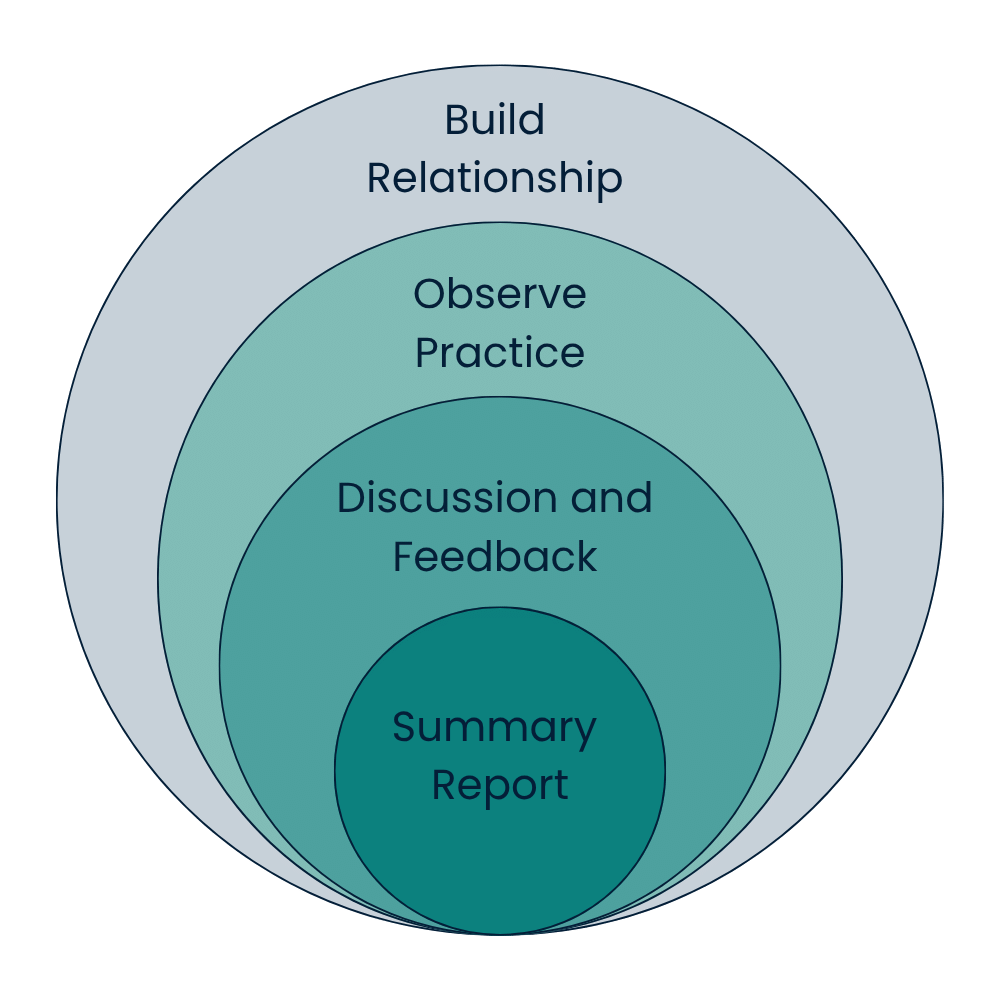
The PFP operates through a lens of professional development with an emphasis on two-way dialogue and meaningful discussion. The goal is to be supportive rather than punitive, intervening only if a practice is identified that compromises public safety.
The program is informed by the R2C2 Method of Coaching and Feedback, NSPR Standards of Practice, NAPRA Model Standards of Practice, established quality assurance programs used by other Canadian pharmacy regulators, and input from practicing pharmacists.
Primary Objectives of the PFP
Peer-to-Peer Engagement
Engage with a trained facilitator in supportive, peer-to-peer discussions about your approach to patient care.
Actionable Feedback
Gain key insights into your practice to highlight strengths and identify opportunities.
Quality Assurance
Proactively identify practice situations that may warrant further assessment or intervention by the NSPR, supporting a continuous approach to quality assurance.
Self Reflection
Enables you to self reflect to determine professional development needs.
Sessions Focus on Four Key Areas
Patient Assessment: Information gathering, determining appropriateness of drug therapy and decision-making.
Monitoring & Follow-Up: Evaluating outcomes and ongoing care plan adjustments.
Documentation: Maintaining comprehensive and up-to-date patient records.
What Participants Are Saying
“The programreshaped my approach to patient counseling, care, and associated documentation. I feel significantly more confident and highly motivated in my professional abilities.”
“I would encourage pharmacists to embrace the experience and see it as a career building experience rather than a potentially punitive one.”
“The interactions and observations were meaningful and constructive in such a way that I could question longstanding assumptions and habits in my work and pinpoint what areas I need to improve.”
Expression of Interest: PFP Facilitator
The NSPR is seeking community pharmacists to join our team of contracted Practice Feedback Facilitators.
We are looking for pharmacists who:
~ practice direct patient care in a community pharmacy setting and have a minimum of 2 years of practice experience; ~ practice to full scope and in accordance with best practices; ~ routinely engage in and value continuous professional development; ~ are interested in supporting peers to identify learning needs and professional development opportunities that are meaningful to their individual practice; ~ are approachable and can provide respectful, non-judgmental feedback; ~ want to empower and motivate pharmacists to build confidence and embrace their professional identity; and ~ have reliable transportation and a flexible weekday schedule to accommodate sessions during pharmacy hours.
We are seeking expressions of interest from all areas of Nova Scotia, with a particular interest in individuals located in the Halifax Regional Municipality and South Shore/Annapolis Valley areas. Remuneration includes travel time and mileage in addition to session time.
If you are interested in this opportunity, please complete our brief expression of interest survey.